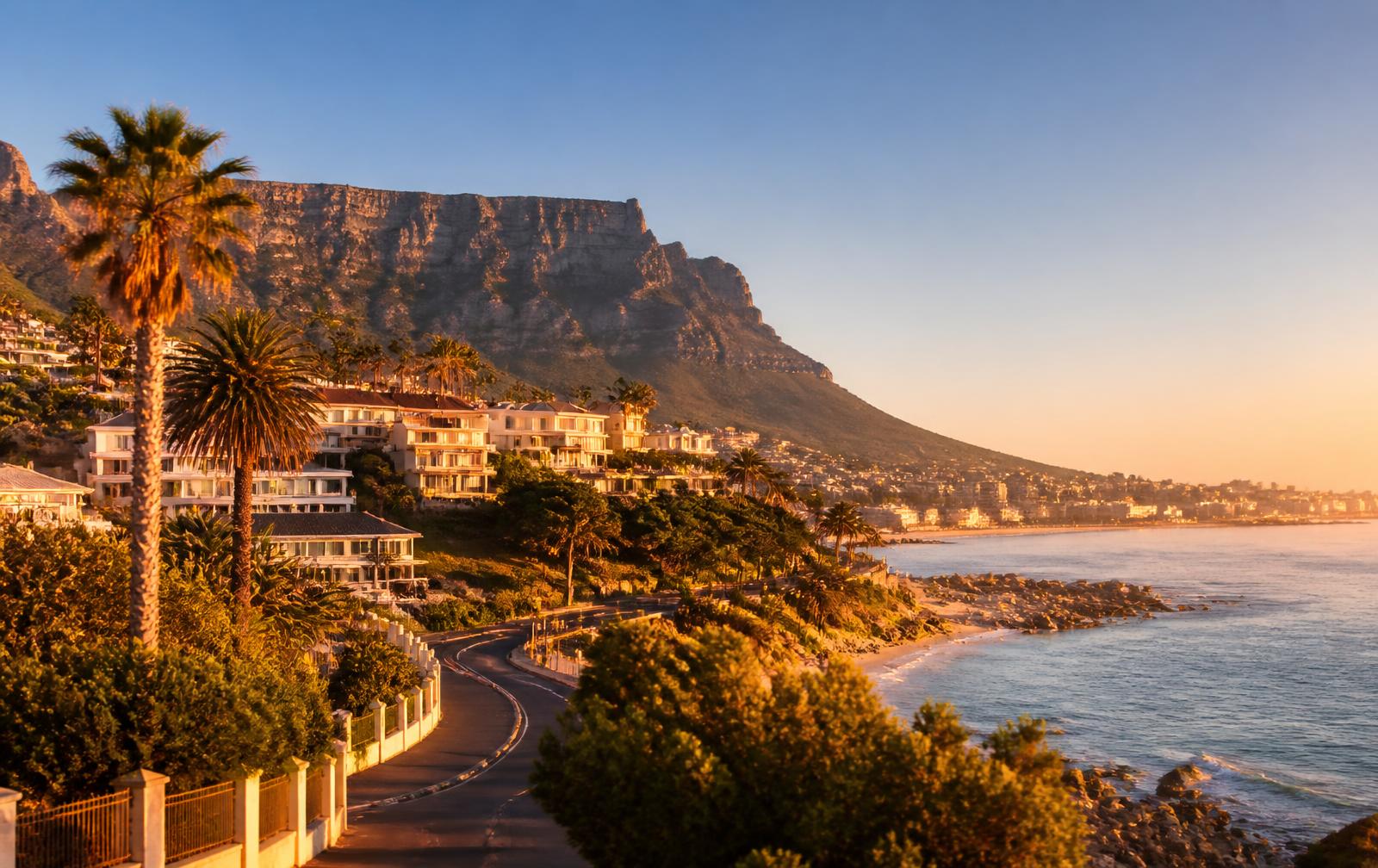
Cape Town is South Africa's main English-study destination: a coastal city of about 4.8 million with a mild Mediterranean climate and total study costs roughly a third below Ireland and Malta. Language schools cluster in a handful of safe, walkable suburbs where almost all host families are placed: Sea Point, Green Point, Claremont, Rondebosch and Constantia.
Climate and the school year
Summer runs November to March with dry days of 25–30°C and a strong south-easterly wind. Winter, June to August, is mild and wet at 8–18°C. Language schools run rolling monthly intakes all year, so the practical question is not when the term starts but whether you want to arrive in the busy, expensive summer or the quieter, cheaper winter.
Which suburbs students live in
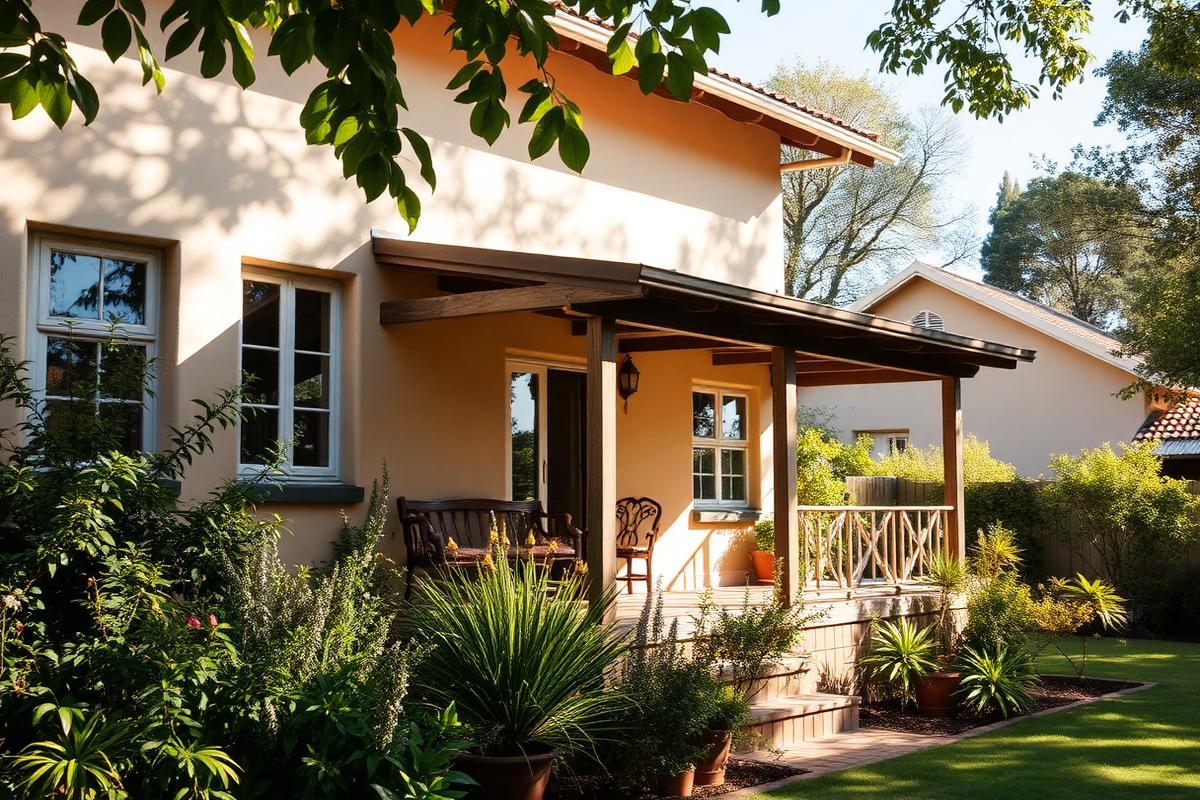
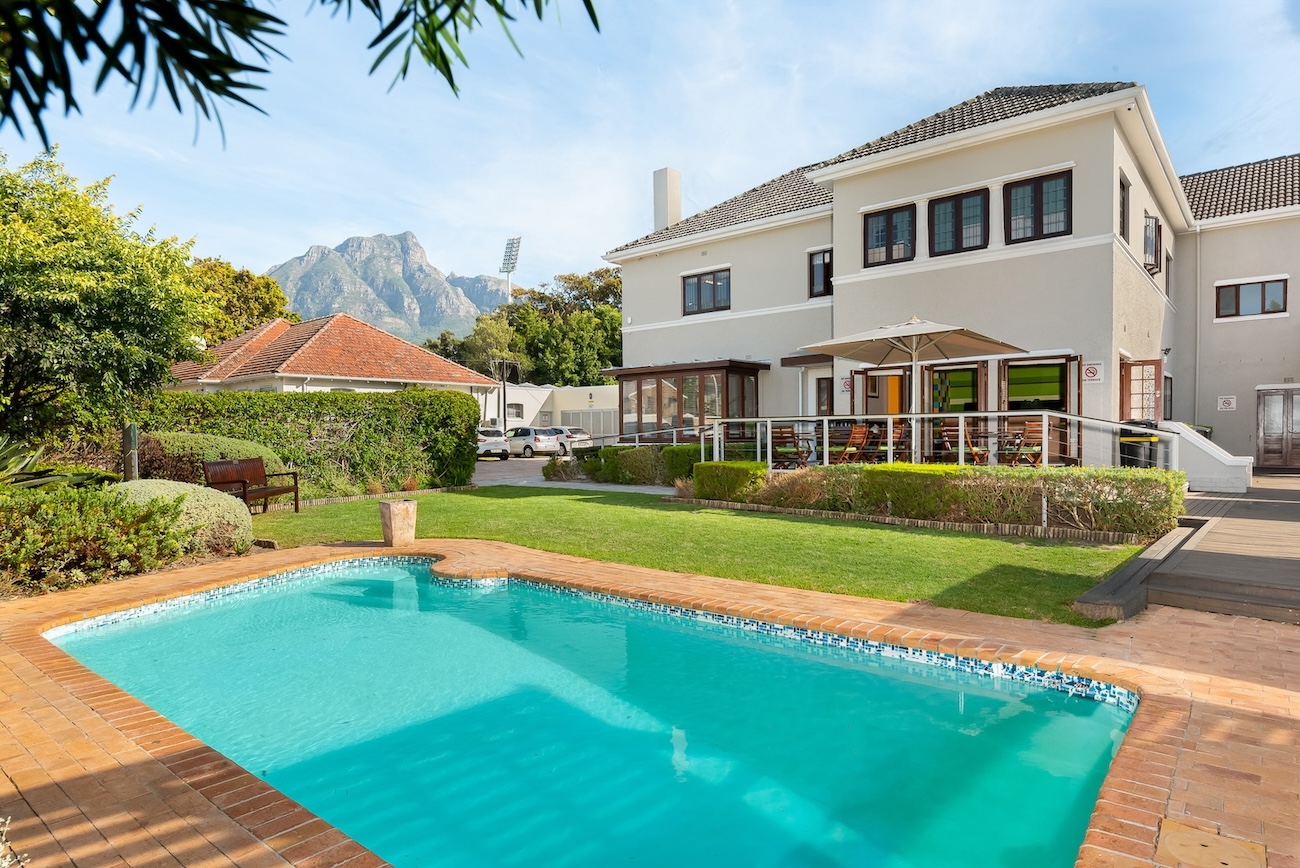
Sea Point and Green Point sit on the Atlantic seaboard: flat, walkable, busy at all hours, with a promenade students use daily. Claremont and Rondebosch are the southern suburbs near the universities. They are greener and more residential, with better value on accommodation. Constantia is the quiet, upmarket option that suits younger teenagers but needs transport for everything.
Cost compared to Ireland, Malta and the UK
A typical 3-month English immersion in Cape Town — tuition, homestay and living — often lands between $4,000 and $7,000 all in. The same stay in Dublin or Malta is commonly $9,000–14,000 once accommodation and daily costs are included. Cape Town also has a lower cost base for eating out, transport and activities, which matters on a 6–12 month stay.
Getting around
MyCiTi buses cover the Atlantic seaboard and city centre reliably. E-hailing apps are cheap by international standards and are the default for evenings. Most schools include or arrange a shuttle for students in the southern suburbs. Metro trains are not recommended for students.