Safety
Is Cape Town safe for international students? A straight answer for parents
A direct, non-defensive look at safety in Cape Town for international students planning a 3-12 month English course.
The short answer
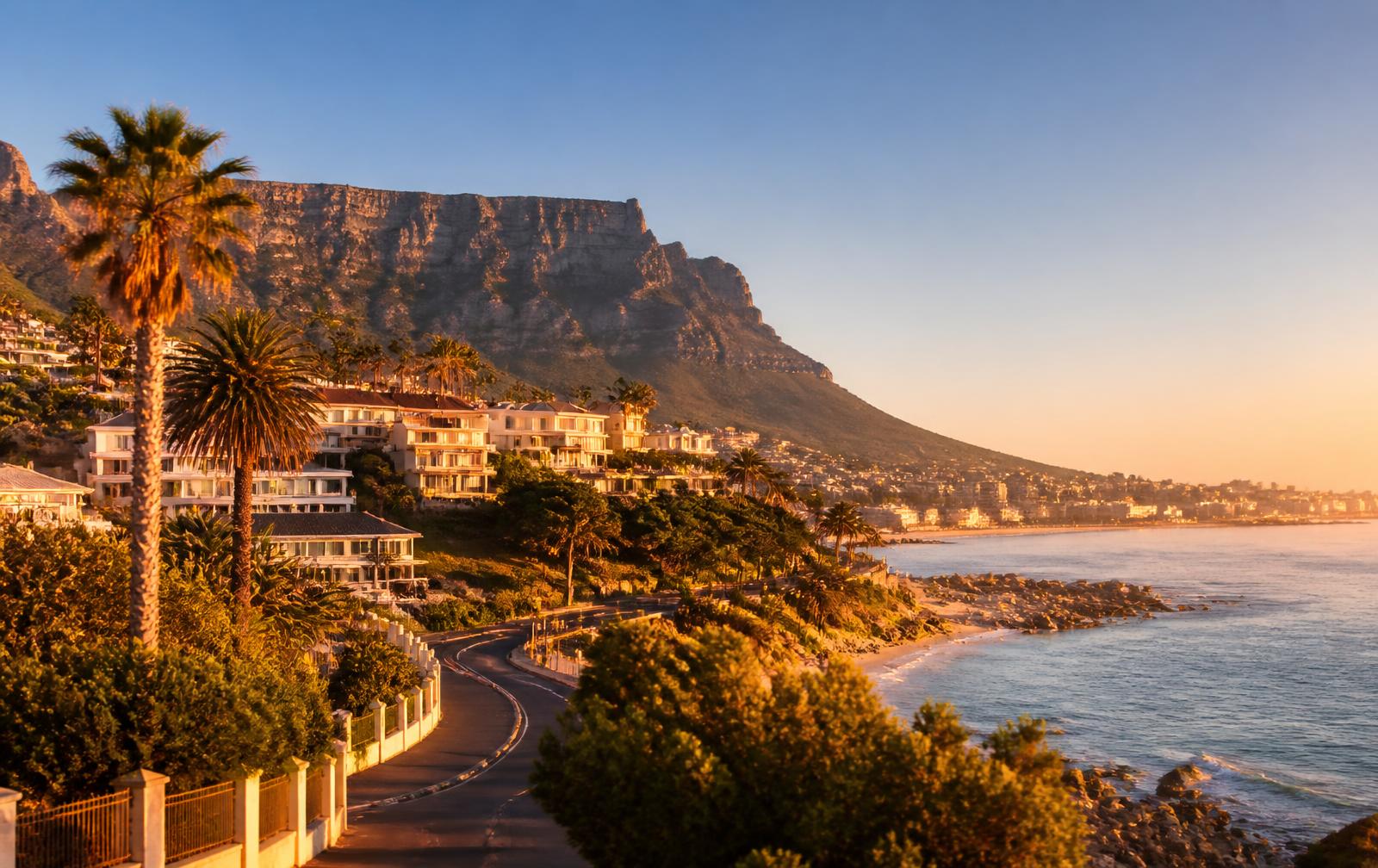
Cape Town has real crime statistics that are higher than Malta or Ireland, but the risk is highly concentrated by area and time of day. The vetted suburbs schools use are Sea Point, Green Point, Claremont, Constantia and Rondebosch. Students who live there, travel by arranged transport at night and avoid displaying phones and jewellery in public typically complete a full year without incident. Put plainly, safety here is managed by habits and geography rather than assumed.
Jump to a section
What the numbers actually say
South African crime statistics are published quarterly by police precinct, and the variation between precincts is enormous. Violent crime clusters in specific townships far from where language students live, study or socialise. The realistic risk for a student in the southern suburbs or the Atlantic seaboard is opportunistic theft: a phone taken on a busy street, a bag from a parked car.
The rules that actually work
Use e-hailing or the school shuttle after dark instead of walking. Keep one cheap phone visible and the expensive one away. Do not walk between neighbourhoods at night, even short distances. Withdraw cash inside malls, never at a street ATM. Share live location with a parent during the first month.
Questions to ask any school
Which suburbs do your host families live in? Is transport included after 18:00? Who is the emergency contact and are they reachable at 03:00? How are host families screened and how often? What happened the last time a student had an incident?
Questions families ask
Frequently asked questions
Is Cape Town safe for a 16-year-old alone?
Under-18s should only be placed through schools with formal guardianship, curfews, door-to-door transport and annually re-screened host families.
From research to shortlist
Compare Cape Town schools next
See course prices, class sizes, accommodation and visa support using the same criteria across every school.
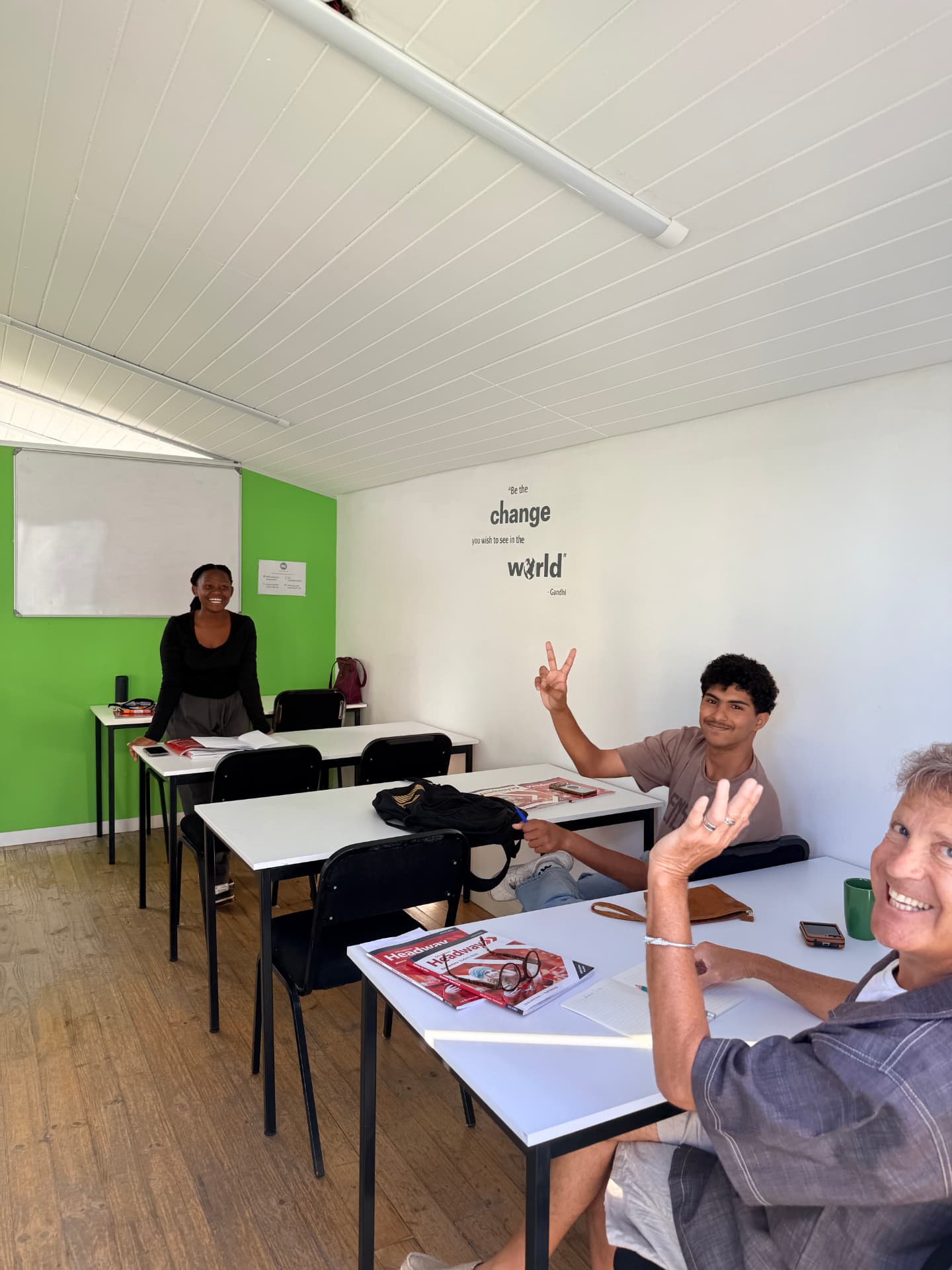
Avenue English Cape Town

De Waterkant, Cape Town
Quality English accredited school with published weekly rates that drop the longer you stay, and regular Saudi and Gulf groups.
“Dear Vivi, I am writing to express all my gratitude and love that I will feel forever for this school. I wanted you to know that Avenue English easily became my favorite place (even with so many beautiful places here) because the school always was full of the kindest, most caring and loving people I've ever met. Thank you so much for the opportunity to develop so much and broaden my worldview. I'll always remember this months with all my soul. With love (and "saudade")”Bea Valente · Brazil
Confirmed partner school · Prices verified 28 Aug 2026
From $2,990 / 3 months
View school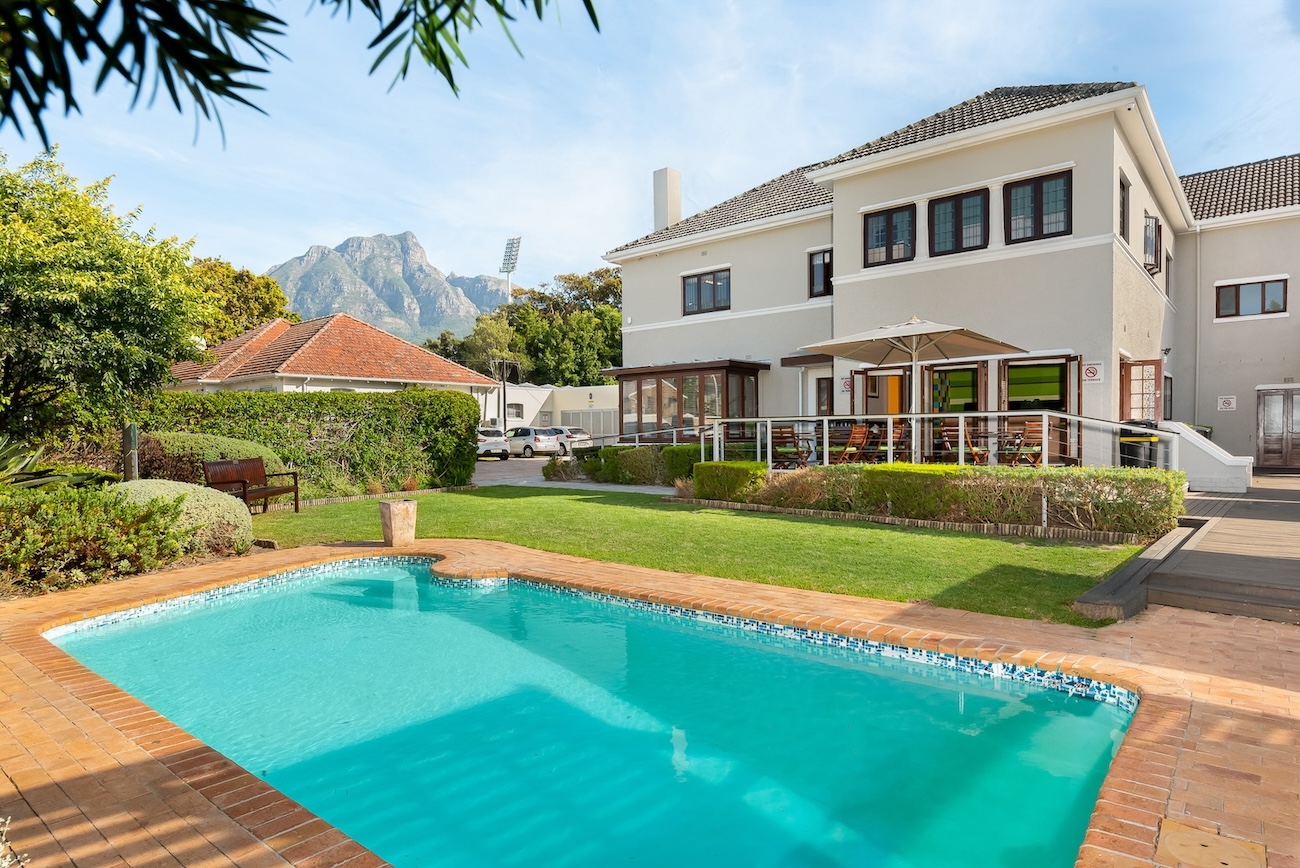
Good Hope Studies
Newlands & City Centre, Cape Town
EAQUALS and IALC accredited school with two Cape Town campuses and published weekly rates that fall sharply after 12 weeks.
Rates from the school's own published price list. Not yet a partner school.
From $3,861 / 3 months
View school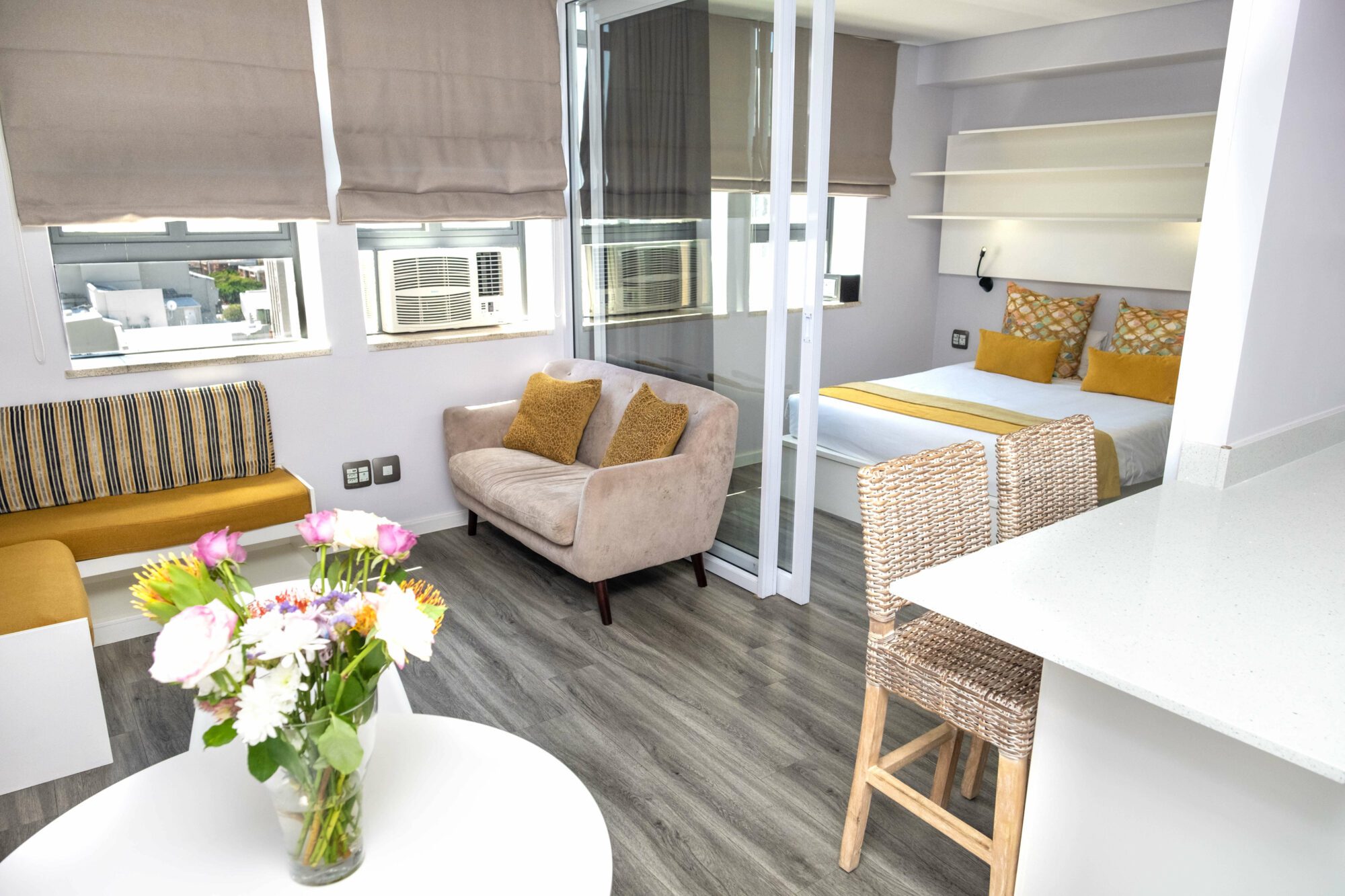
International House Cape Town

Cape Town
Part of the 160-school International House network, with 15-hour weeks and rates that step down to €230 for long stays.
Rates from the school's own published price list. Not yet a partner school.
From $3,536 / 3 months
View schoolKeep researching
Related guides
Planning
Homestay or student residence in Cape Town: which to book
How Cape Town English students should choose homestay, residence, or a shared apartment: meals, cost, under-18 rules, and suburb safety.
Schools
Cape Town English schools compared: prices, class size and visa support
How to read EnglishHubSA's Cape Town school table: published 3, 6 and 12 month tuition, class size, housing types and visa support, without a paid ranking.
Planning
How long to study English abroad: 3, 6 or 12 months
How course length changes visas, cost, and progress: 3-month tasters, 6-month visas, and 12-month immersion, with Cape Town as the usual cheaper long-stay option.